01Chingford's Homes and What They Mean for Your Move
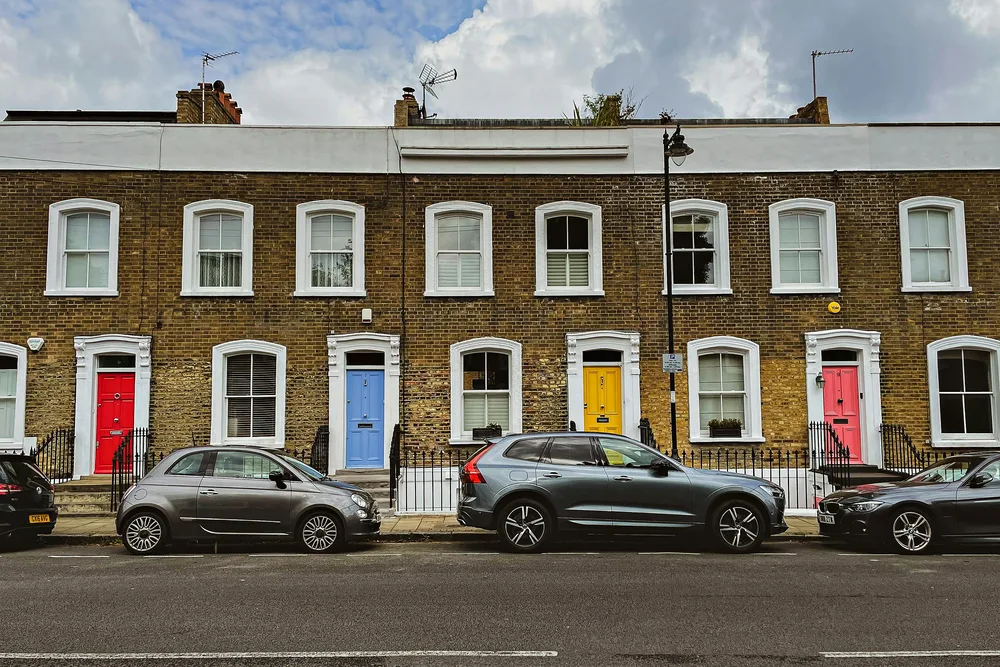
Most of Chingford is interwar and post war housing, largely terraced and semi detached, and home ownership is high, so a move here is often a whole family home with a loft and garage to empty as well. Between 1934 and 1939 the London County Council also built a cottage estate in Chingford, and Friday Hill, Chingford Hall and Yardley Lane were traditionally council or social housing areas. Tell us whether yours is a house or a flat, which floor it is on and whether there is a lift, and we will bring the right van and enough hands.
Highams Park is mostly Victorian and 1930s terraced houses, and the level crossing beside its station is the only place in Highams Park where vehicles can get across the railway, so we plan van runs between the two sides with that crossing in mind. At Chingford Mount, many buildings date from the 1930s and are in the Art Deco style, grouped around the busy crossroads of the A112 and the A1009, where finding a safe place to stop a van takes some thought.
In the north, Chingford Green and Chingford Station Road are council conservation areas, and Chingford Green also has an Article 4 direction removing some permitted development rights, which shows how much the council values the look of those streets. We take as much care over front walls, gates and paths as we do over the furniture. Beyond the borough line, Sewardstone and Sewardstonebury share the E4 postcode but are in Epping Forest District in Essex, so their council services differ from the rest of Chingford, though ours are exactly the same.