01Hertford Terraces, Hills and Estates
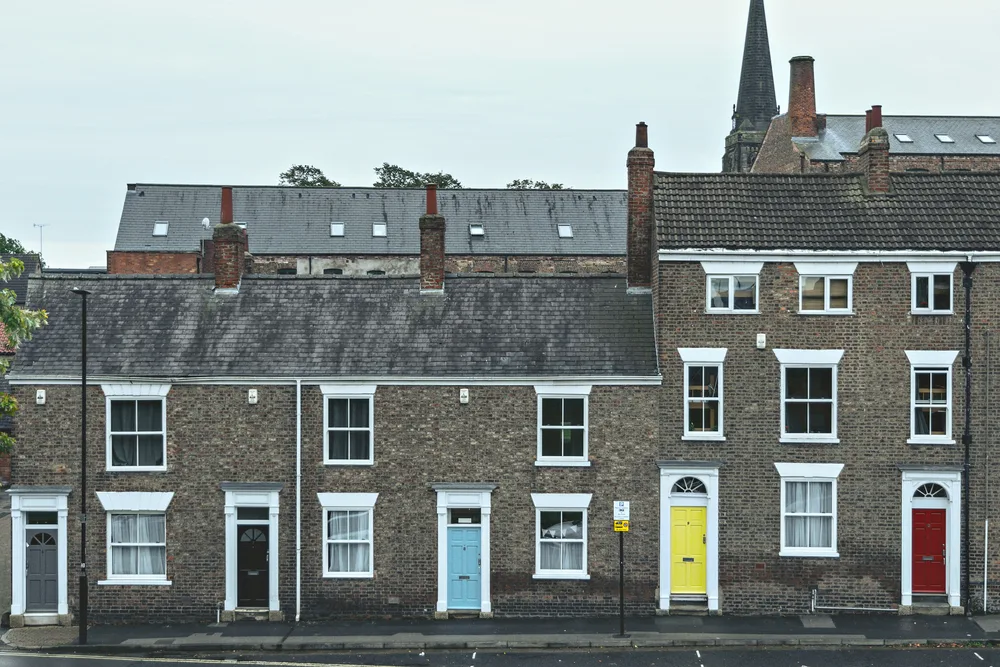
Hertford's centre keeps its medieval street plan, and many timber framed buildings sit behind later frontages, particularly in St Andrew Street. Around the centre, East Herts' conservation area appraisal describes many streets of 19th century terraced housing, a lot of them with short front gardens or none at all, and notes that on street parking can overwhelm them, with cars sometimes up on the footpaths on both sides. For a move or a clearance, that means the van may not stop right outside and the front door may open straight onto the pavement, so we plan the carry, the loading order and the timing around the street.
North west of the centre, Port Vale, Wellington Street, Molewood Road and Bengeo Street have groups of late 19th and early 20th century two storey terraces, and on Port Hill two narrow terrace groups climb a steep hill. Along Ware Road and south of the railway near Hertford East station, Railway Place, Villiers Street, Townshend Street, Talbot Street, Currie Street and Raynham Street date from the same period. In homes of this age we expect to take wardrobes and bed frames apart before they come down the stairs, and photos of the hallway help us bring the right tools.
On the north western edge, Sele Farm was farmland until the council built a large estate there from the early 1950s. The Ridgeway, built in the 1960s, has since been rebuilt in a regeneration scheme, and Blakemore Manor off Thieves Lane is the first major extension to Sele Farm for many years, with flats and two to four bedroom houses. Flats bring stairs, lifts and shared hallways, so tell us the floor, whether there is a lift and where the van can wait when you book.