01Enfield Homes, Streets and What They Mean on Moving Day
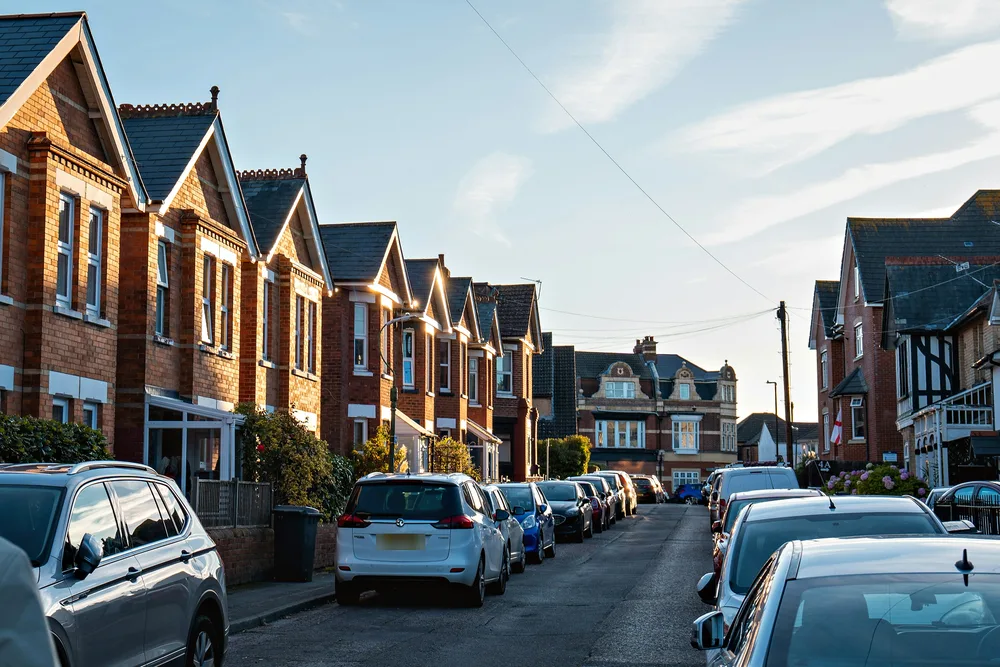
Enfield is several towns in one, and the homes change a great deal from street to street. Bush Hill Park was laid out as a planned estate, mostly between 1880 and 1914, and the council's conservation appraisal describes wide roads, generous front gardens and large plots, with smaller artisan houses by the same developer on the other side of the railway. Wide roads make loading easier, but some of the bigger houses there were replaced by blocks of flats after 1960, so one Bush Hill Park job can mean a long front path and the next a shared staircase. Grange Park, laid out from 1910 and finished in the 1920s and 1930s, has houses set tight along the frontage on hilly roads, which means parking on a slope and a short, steep carry to the door.
North of the town centre, most homes in Forty Hill are 1930s terraces and maisonettes, with some Victorian houses mixed in. A maisonette usually means an upper front door and an inside staircase, so we take wardrobes and bed frames apart before they come down. Around Ponders End there is a mix of 19th and early 20th century terraced streets and social housing, and the old high rise Alma Road Estate has been part of a large regeneration scheme. Close to Enfield Town centre, Gentleman's Row is lined with houses from the 16th to the 18th century, where low doorways and narrow halls call for patience and plenty of padding.
Out east, Enfield Island Village at Enfield Lock was built on the site of the Royal Small Arms Factory, the works that made Lee Enfield rifles until it closed in the late 1980s. Residential Brimsdown, west of the railway, grew mainly from the 1930s, while the land east of the line is almost all industrial estates, so a single afternoon there can take in a family house and a business unit. Whatever the street, tell us the floor, the stairs, any lift and where a van can pull in, and we will plan the visit around it.