01What Southgate's Semis, Terraces and Hills Mean for a Move
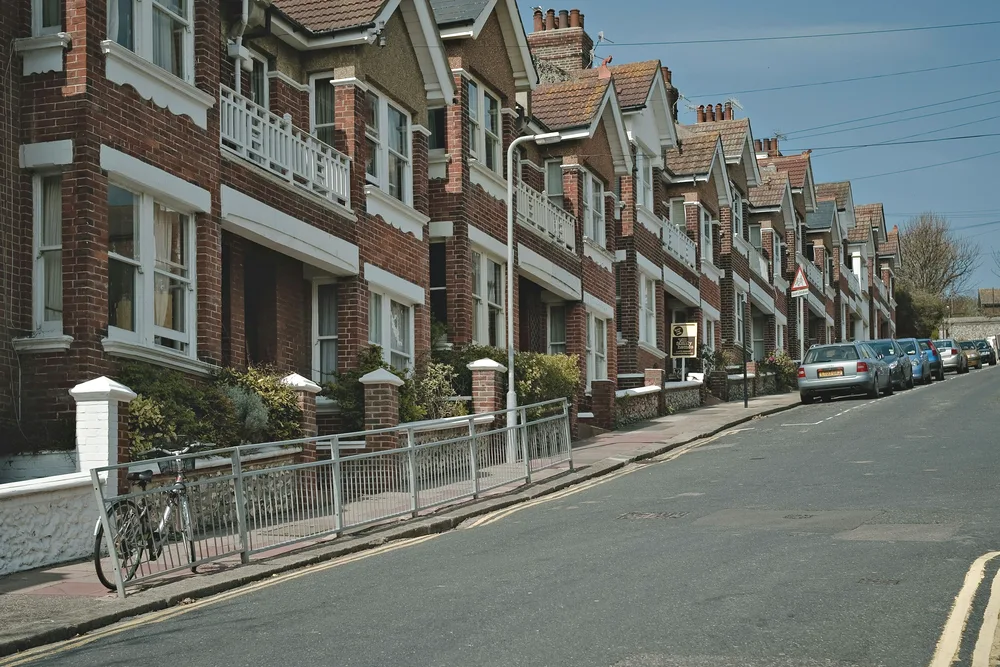
Most of Southgate was built in the 1930s, after the Piccadilly line arrived, when largish semi detached houses went up on the hilly former estates such as Walker, Osidge and Monkfrith. A semi usually has a front drive or a short path, which helps, but on those slopes we think hard about where the van can stand level and how far a heavy wardrobe has to be carried uphill. Oakwood followed the same pattern once its station opened in 1933, with estates running along Bramley Road towards Cockfosters, and Arnos Grove changed from a rural area to a fully developed one in the years after its station opened in 1932.
The older pockets are tighter. Southgate Green keeps the feel of a village centre, with tightly packed terraces of varying heights and buildings dating from the late 17th century onwards, many of them clustered around The Green. Just south east of Southgate Circus, between the High Street and Bourne Hill, the Meadway is a quiet enclave of early interwar detached and semi detached houses on long, narrow plots, built close together on the frontage, so there is little room between houses for carrying anything bulky round the side.
In Palmers Green, building moved quickly from 1902, beginning with the Old Park estate between Fox Lane and Aldermans Hill and the Hazelwood Park Estate. The Lakes Estate around Grovelands Road, Derwent Road and Ulleswater Road is a large, cohesive area of Edwardian houses with front gardens, boundary walls and mature street trees, which means a sofa travels down a garden path and between the trees rather than straight out to the kerb. Southgate's former town hall in Palmers Green is now flats, and in converted buildings like that we protect shared stairs and communal halls as we work.