01Potters Bar Streets, From Garden Estate to Bungalows
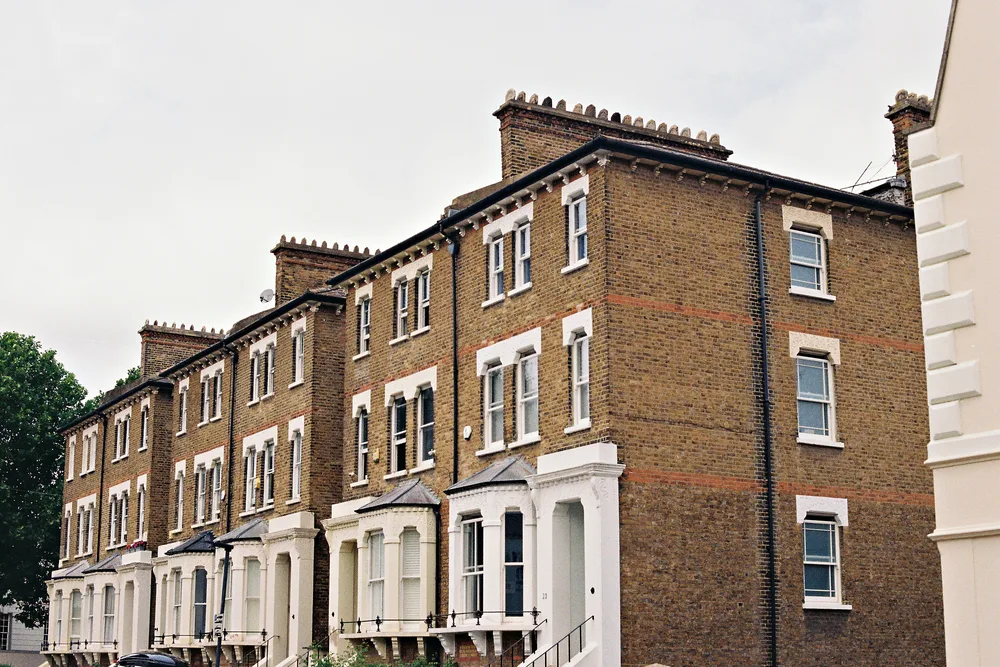
Potters Bar stayed a small, mainly farming settlement until the Great Northern Railway arrived in 1850, and most of the homes we work in were built in the century that followed. Hertsmere's appraisal of the Royds records a burst of suburban building from the 1920s, starting with large houses in big gardens, then council housing along Mutton Lane and on the Cranborne Estate from 1929 and, through the 1930s, private speculative building around Darkes Lane and Baker Street.
The Royds Estate, on Oakroyd Avenue, Elmroyd Avenue, their two closes and part of Baker Street, is an early 1930s estate made up mostly of detached and semi detached bungalows, with a few two storey houses, and it is now a conservation area. A bungalow move keeps everything on one level, which makes loading quicker, but if there is a loft, tell us about the hatch and what is up there. West of Darkes Lane, The Avenue, Heath Drive, Manor Way and Mountway were laid out as the early 20th century Potters Bar Garden Estate, and Cedar Close beside them is made up of 1960s houses.
After the Second World War the town gained more private housing, large council estates and new office blocks in the centre. So a week of jobs here can take in a family house with a long garden, a home on one of the council estates and an office floor in the town centre. Parking changes from street to street as well, and the controlled parking zones and yellow lines matter on moving day, which is why we cover them in the practical notes further down.